
June 26, 2026
Food First: When Should Athletes Use Supplements?
Athletes should consider supplements only after establishing a solid nutritional foundation through whole foods. Supplements are designed to fill specific nutrient gaps or provide a minor performance edge (1–2%) once sleep, hydration, and caloric intake are optimized. Most performance gains result from consistent meal quality and timing, not powders.
Why is a "food first" approach better for athletes?
When you walk into our Lufkin facility, the first thing you’ll notice isn't a wall of protein tubs; it’s the sound of hard work. At FIFTH Quarter Performance, we believe your body is a temple, and how you fuel it matters. A "food first" approach is superior because whole foods provide a complex matrix of nutrients that supplements simply cannot replicate. For example, an orange provides Vitamin C, but it also offers fiber, potassium, and hundreds of bioactive phytonutrients that work synergistically to support your immune system and recovery.
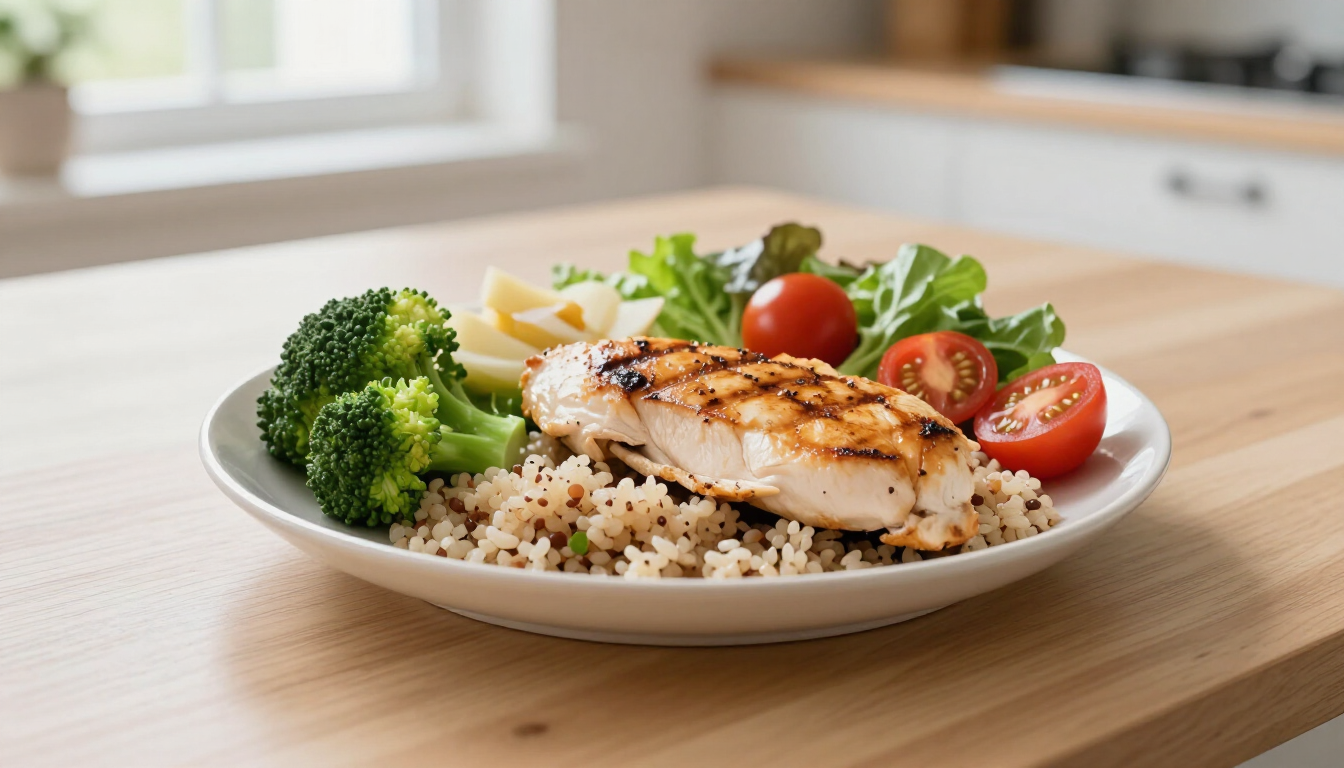
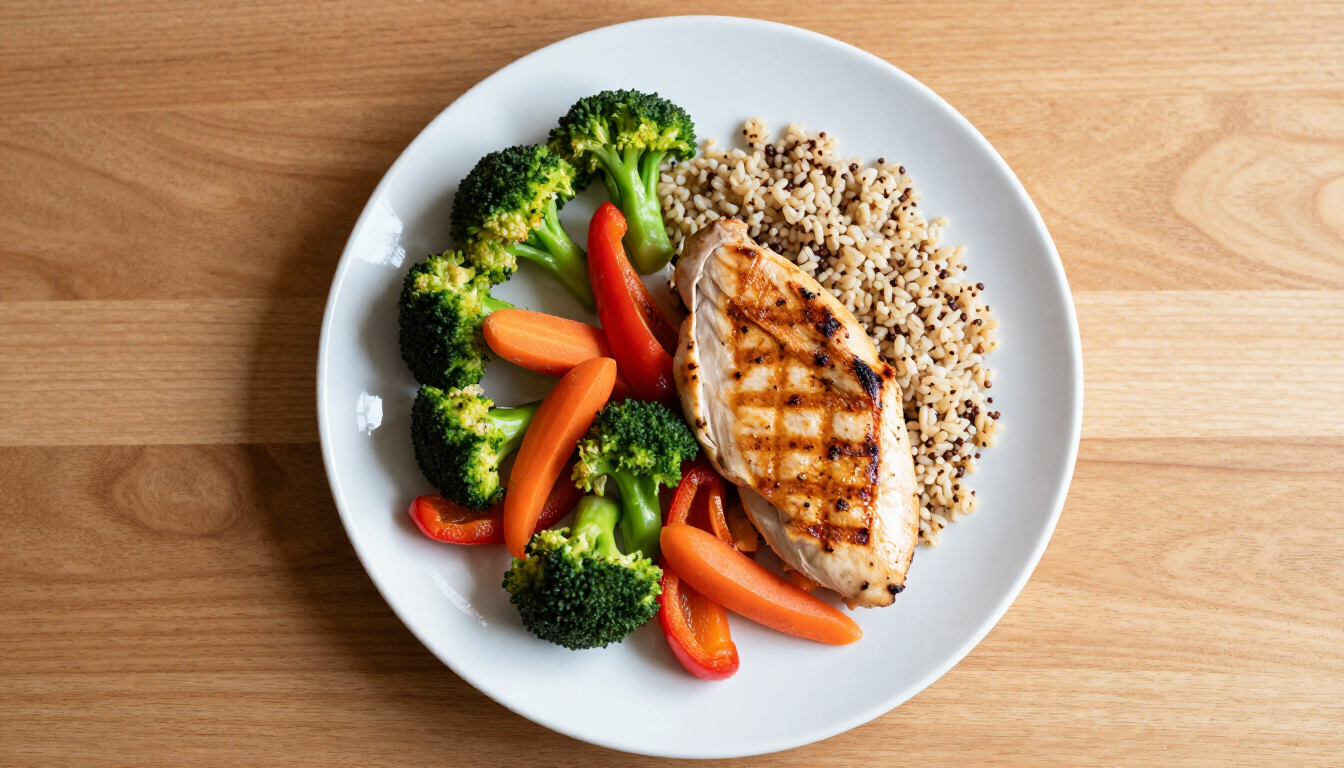
Supplements are often isolated compounds. When you take a pill, you miss out on the "food matrix"—the way nutrients interact with one another to improve absorption. Furthermore, real food is more satiating. For a young athlete in our Sports Training programs, eating a chicken breast with quinoa and avocado provides the sustained energy needed for a two-hour practice, whereas a quick protein shake might leave them hungry an hour later. Choosing food first also builds lifelong habits. Learning how to shop, prep, and cook sets an athlete up for success long after their competitive days are over. We encourage our athletes to see food as information—telling their muscles to grow, their brains to focus, and their bodies to recover.
Understanding the Performance Nutrition Pyramid
To reach your peak potential, you have to prioritize your efforts. We often see athletes focusing on the "tip of the iceberg"—the supplements—while ignoring the massive base that actually supports performance. Think of your nutrition as a pyramid:
- Energy Balance: Are you eating enough total calories to support your training volume?
- Macronutrients: Are you getting the right balance of carbohydrates for energy, protein for muscle repair, and healthy fats for hormone health?
- Micronutrients: Are you eating enough colors (fruits and veggies) to get the vitamins and minerals that run your metabolic engine?
- Nutrient Timing: Are you fueling before your Basketball Training and recovering with a meal afterward?
- Supplements: This is the very top. It only matters if the other four layers are stable.
If you are sleeping five hours a night and skipping breakfast, a pre-workout powder isn't going to save your performance. It’s like trying to put a high-end spoiler on a car that has no engine. By focusing on our Fitness memberships and personal training, you can learn how to stabilize that base. When the base is strong, your natural performance floor rises, making you more resilient to injury and fatigue.
When should an athlete actually consider supplements?
There are specific circumstances where supplements become a valuable tool rather than a distraction. At FIFTH QP, we look for three main indicators that it might be time to look at the "tub":
- Documented Deficiencies: If blood work shows you are low in Vitamin D, Iron, or B12, a supplement is often necessary to get back to baseline health. This is common in indoor athletes or those with restrictive diets.
- Extreme Training Volume: High-level athletes training multiple times a day may struggle to physically eat enough food to meet their caloric needs. In this case, a liquid carbohydrate or protein supplement can help bridge the gap.
- Convenience and Travel: When you’re on the road for a tournament and the only options are fast food, a high-quality protein bar or powder can ensure you hit your targets without the digestive upset of greasy food.
Supplements should be viewed as a tactical addition. For instance, if you are working through an intense block of Personal Training , your coach might suggest creatine monohydrate—one of the most researched and safe supplements—to help with explosive power. However, even then, the supplement is only effective if you’re already putting in the work and eating the right amount of protein from whole sources like eggs, Greek yogurt, or lean meats.
The Risks of the $50 Billion Supplement Industry
The supplement industry in the United States is largely unregulated. Unlike the food you buy at the grocery store, the FDA does not approve supplements for safety or effectiveness before they hit the shelves. This creates a "Wild West" environment where labels don't always match the contents. For a competitive athlete, this is a major risk. A tainted supplement could lead to a positive drug test or, worse, health complications like heart palpitations or liver stress.
Many products use "proprietary blends," which is often code for "we don't want to tell you how little of the active ingredient is actually in here." You might pay $60 for a pre-workout that is 90% caffeine and cheap fillers. We tell our athletes to look for third-party certifications like NSF Certified for Sport or Informed Choice . These logos mean the product has been tested for banned substances and that what is on the label is actually in the bottle. If a product makes a claim that sounds too good to be true—like "gain 10 pounds of muscle in a week"—it usually is.

What are the safest supplements for youth athletes?
For youth athletes and their parents, the conversation around supplements should be even more conservative. A young athlete’s body is still developing, and their hormonal systems are highly sensitive. Most experts agree that the only "supplements" a middle or high school athlete needs are those that support hydration and basic recovery.
- Electrolytes: During a hot Lufkin summer, replacing sodium and potassium lost in sweat is crucial during long practices.
- Whey or Plant Protein: Only if the athlete is struggling to eat enough protein through meals. It’s just a convenient food source, not a magic muscle builder.
- Vitamin D: Especially during the winter months when sun exposure is lower.
Before adding anything to a teenager's routine, we always recommend consulting a pediatrician. Most of the "edge" a young athlete needs will come from mastering their Basketball Training fundamentals and getting ten hours of sleep. Faith, discipline, and hard work are the true supplements of champions. If you focus on the process, the results will follow naturally without the need for expensive, unproven chemicals.
Practical Tips for a Food-First Game Plan
Transitioning to a food-first mindset doesn't have to be complicated. Start by auditing your current habits. Are you eating three balanced meals a day? Are you drinking enough water that your urine is pale yellow? If not, start there.
- Meal Prep: Spend Sunday afternoon preparing proteins and grains for the week so you aren't tempted by the supplement aisle when you're tired.
- Carry Snacks: Keep almonds, fruit, or beef jerky in your gym bag to avoid energy crashes.
- Hydrate Early: Don't wait until you're thirsty at practice to start drinking water.
- Focus on Fiber: Real food provides fiber, which slows digestion and provides a steady stream of energy rather than a "spike and crash."
If you're unsure where to start, our team at FIFTH Quarter Performance is here to help. Whether you are looking for Fitness guidance or want to take your game to the next level through our Sports Training programs, we integrate nutrition education into everything we do. We don't just train athletes; we develop people who understand how to care for their bodies for the long haul.

Summary of the Food-First Approach
Supplements should never be the foundation of an athlete's performance strategy. By prioritizing whole foods, you ensure your body receives the complex nutrients and energy it needs to thrive in high-intensity environments. Remember these key takeaways:
- Food is superior due to nutrient synergy and satiety.
- Build the pyramid starting with total calories and macronutrients.
- Supplement only when there is a clear medical or lifestyle need.
- Verify quality by looking for third-party testing labels.
- Focus on the basics like sleep and hydration first.
Ready to build a stronger foundation? Contact us today to learn more about our training programs and how we can help you reach your goals the right way.
ADDITIONAL BeaRS STORIES