
June 26, 2026
5 Muscle Growth and Weight Loss Myths Debunked (2026)
Muscle growth and weight loss myths often suggest you can't do both simultaneously or that specific exercises burn fat in targeted areas. In reality, sustainable results come from a consistent caloric deficit for fat loss and progressive resistance training for muscle gain, supported by high protein intake and recovery.
Walking into a gym can often feel like stepping into a minefield of misinformation. Whether you are scrolling through social media or listening to the regular at the local supplement shop, the fitness industry is saturated with advice that sounds scientific but is often designed more to sell products than to deliver results. At FIFTH Quarter Performance in Lufkin, Texas, we believe that understanding the fundamental truths of physiology is the first step toward freedom. When you know how the body actually responds to stimulus and nutrition, you can stop chasing fads and start building a foundation that lasts. This guide is designed to dismantle the most persistent lies about muscle growth and weight loss myths, providing you with a clear path to your goals.
Can you build muscle and lose fat at the same time?
One of the most pervasive muscle growth and weight loss myths is that these two goals are mutually exclusive. Conventional wisdom suggests you must either be in a "bulking" phase to gain muscle or a "cutting" phase to lose fat. While this extreme approach works for professional bodybuilders, the average fitness enthusiast can absolutely experience what is known as body recomposition. This is the process of losing body fat while simultaneously increasing lean muscle mass.
Body recomposition is most effective for those who are new to resistance training, returning after a long break, or those who have a significant amount of body fat to lose. The biological requirement for muscle growth is a combination of resistance training, adequate protein, and sufficient energy. While being in a caloric surplus provides extra energy, the body can also tap into stored body fat to fuel the energy-intensive process of muscle protein synthesis.
To achieve this, you don't need a massive surplus or a starving deficit. Instead, focusing on maintenance calories or a very slight deficit while prioritizing high-quality Personal Training can trigger the metabolic environment necessary for both. It requires patience and precision, but it eliminates the roller coaster of extreme dieting. At FIFTH Quarter Performance, we help our members navigate this balance by focusing on strength gains as the primary indicator of progress, rather than just the number on the scale.

Is cardio better than weightlifting for weight loss?
If you step into almost any commercial gym, you’ll see rows of people on treadmills trying to "burn off" their breakfast. This stems from the myth that steady-state cardio is the superior tool for weight loss. While cardio is excellent for cardiovascular health and does burn calories during the activity, it is often less efficient than weightlifting for long-term fat loss.
When you perform traditional cardio, your caloric expenditure stops almost as soon as you step off the machine. Resistance training, however, creates a phenomenon known as Excess Post-exercise Oxygen Consumption (EPOC). This means your metabolic rate remains elevated for hours, or even days, after a heavy lifting session as your body works to repair muscle tissue. Furthermore, muscle is metabolically active tissue. The more muscle you carry, the more calories your body burns at rest.
By prioritizing our Fitness Memberships that include strength training, you are essentially turning your body into a more efficient furnace. A balanced routine that incorporates both strength training and moderate cardio is ideal, but if you have to choose one for fat loss, the weights will almost always provide a better return on investment. Weightlifting changes your body composition, whereas excessive cardio alone can lead to a "skinny fat" appearance where you lose weight but retain a high body fat percentage due to muscle loss.
Why "Spot Reduction" Is a Fitness Lie
We have all seen the advertisements for "ab-shredding" workouts or gadgets that promise to melt fat specifically from the thighs or arms. This is the myth of spot reduction—the idea that you can choose where your body burns fat by exercising the muscles underneath that fat. Unfortunately, human physiology does not work this way.
When your body is in a caloric deficit, it mobilizes fat from fat cells throughout the entire body to use as fuel. Where that fat comes from first is largely determined by genetics and hormones, not by the specific exercises you do. Doing a thousand crunches will strengthen your abdominal muscles, but if those muscles are covered by a layer of fat, they will remain invisible.
- Fat loss occurs systemically, not locally.
- Genetics dictate your "first on, last off" fat storage areas.
- Abdominal exercises build muscle but don't "burn" belly fat.
- Compound movements (squats, deadlifts) burn more total fat than isolation moves.
- Consistency in nutrition is the only way to reveal muscle definition.
Instead of focusing on specific areas, we encourage our athletes to focus on total body strength and metabolic conditioning. Our Sports Training programs emphasize functional movements that engage multiple muscle groups, leading to a higher overall caloric burn and a more balanced physique.

Does eating late at night cause weight gain?
The fear of the "midnight snack" is one of the oldest muscle growth and weight loss myths in the book. The claim is that your metabolism slows down significantly when you sleep, so any food eaten late at night is immediately stored as fat. This is a gross oversimplification of how our metabolism functions.
Your body does not have an internal clock that resets at midnight. Weight gain or loss is primarily governed by your total energy balance over a 24-hour period (and even longer cycles). If your body requires 2,500 calories to maintain its weight and you consume 2,200, you will lose weight regardless of whether those calories were eaten at 8:00 AM or 8:00 PM.
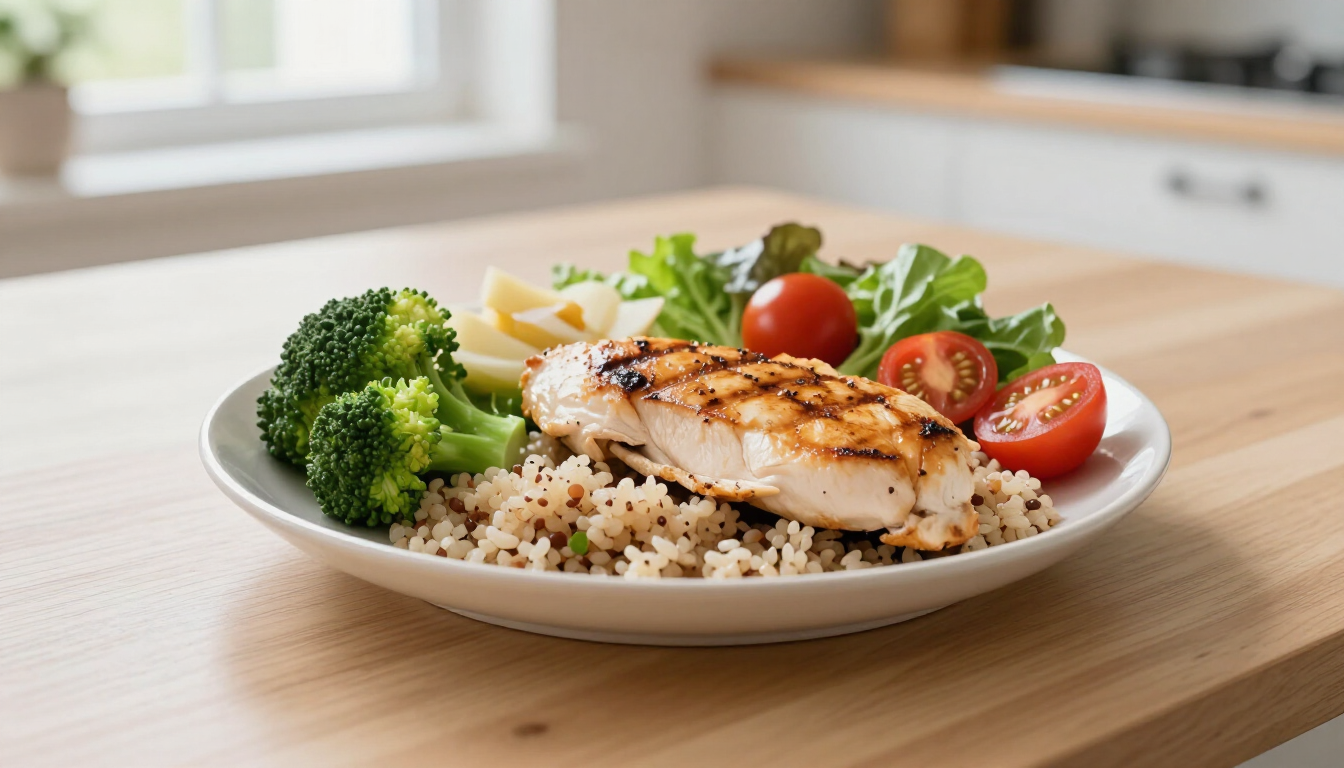
In fact, for those focused on muscle growth, a small protein-rich snack before bed can actually be beneficial. It provides the body with a steady supply of amino acids during the overnight repair phase. The real danger of late-night eating isn't the timing; it's the choices . Most people aren't reaching for grilled chicken and broccoli at 11:00 PM; they are reaching for highly processed, calorie-dense snacks while sitting on the couch. This mindless eating is what leads to a caloric surplus, not the time of day. At FIFTH Quarter Performance, we focus on the quality and quantity of your nutrition rather than rigid, unsustainable timing rules.
Supplements: Marketing Hype vs. Scientific Reality
The supplement industry is built on the promise of a "shortcut." Whether it's a fat burner, a testosterone booster, or a pre-workout that claims to give you superhuman strength, these products often overpromise and underdeliver. Many people spend hundreds of dollars on supplements while ignoring the basics of sleep, hydration, and hard work.
- Fat burners often rely on caffeine to slightly increase heart rate.
- Protein powder is simply a convenient food source, not a magic muscle builder.
- Creatine is one of the few scientifically proven supplements for performance.
- Most "detox" teas are actually just diuretics or laxatives.
- No supplement can overcome a poor diet or lack of training intensity.
While some supplements can provide a 1-5% edge in performance, they are the tip of the pyramid. The base of that pyramid must be consistent training and sound nutrition. We always tell our members that you can't supplement your way out of a bad lifestyle. If you aren't seeing results, the answer is rarely found in a pill bottle; it’s usually found in your training log or your kitchen.

How much protein do I actually need for muscle growth?
If you listen to the "bro-science" in many gyms, you might think you need three grams of protein per pound of body weight to see any growth. This is another of the common muscle growth and weight loss myths that leads to unnecessary expense and digestive stress. While protein is the building block of muscle, there is a limit to how much your body can effectively use for muscle protein synthesis.
Research consistently shows that for most people, 0.7 to 1.0 grams of protein per pound of lean body mass is more than enough to maximize muscle growth. Consuming more than this doesn't necessarily lead to more muscle; it simply gets oxidized for energy or stored. The key is to distribute this protein throughout the day to keep your body in an anabolic state.
Taking the Next Step in Your Fitness Journey
Cutting through the noise of muscle growth and weight loss myths allows you to focus on what actually works: consistency, intensity, and truth. At FIFTH Quarter Performance, we are a faith-based facility dedicated to helping you reach your full potential. Whether you are a basketball player looking to sharpen your skills or a fitness enthusiast wanting to transform your health, we provide the coaching and community you need.
Success in the gym isn't about finding a secret hack; it's about showing up and doing the work, guided by proven principles. If you're tired of the confusion and ready for a plan that works, we invite you to learn more About Us and join a community that values progress over perfection.
Final Takeaways for Sustainable Success:
- Body Recomposition is Real: You can build muscle and lose fat with the right balance.
- Prioritize Weights: Lifting is the most efficient way to change your metabolic rate.
- Ignore Spot Reduction: Focus on total body health to reveal definition.
- Energy Balance Rules: Total daily calories matter more than specific meal timing.
- Basics First: Master your training and nutrition before worrying about supplements.
ADDITIONAL BeaRS STORIES